There is cause for celebration in the Education 101 class as we recognize the successful completion of the first semester of the Village Project. As I reflect on this eye opening experience as a tutor, I’d like to briefly share my top 10 takeaways in no particular order.
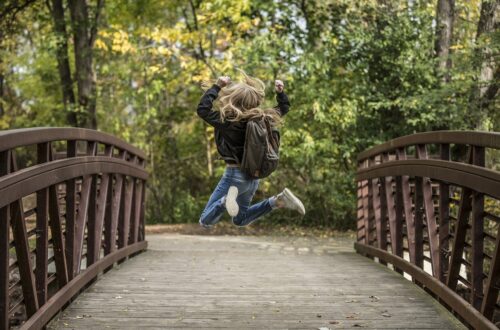
- Some students learn best by moving.
As soon as I implemented jumping on our flashcards, or playing “basketball” with crumpled up papers from our spelling practice, I saw major improvement in my student’s motivation. Moving plays best to his individual strengths, and it would be unwise to ignore that.
- Students having fun are engaged students.
Similar to keeping him active, my student was most engaged when he was having fun. I try to incorporate games midway through the lesson in order to give him a brain break that is still productive.
- Not every lesson goes to plan.
While I always go into my lesson with a plan that I am excited about, my student may not always participate as expected. There are many factors such as his school day, events in his home life, or exciting distractions that throw a wrench in the plan. But, teaching is synonymous with adapting, and we always move on.
- Lesson planning is beneficial to teacher and student.
It’s obvious that having a plan is most likely to result in a smooth and timely lesson. However, it also gives the student assurance that you are prepared. Plus, routine can eliminate anxiety. For this reason, I always tell my student the agenda for each lesson before we begin.
- Ideas are more important than materials.
I made an elaborate paper bag puppet for an incentive in a game, but it fell flat. However, my cardboard square that I put on the floor as a “basketball hoop” works like a (free!) charm. This just goes to show that fancy materials cannot make up for lacking ideas content wise.
- Taking time to listen is not time wasted.
If my student has a story to tell me, I will take time to listen. Oftentimes, it provides context that might be helpful during the lesson. Above all, it builds priceless rapport.
- Changing vocabulary helps to change mindsets.
Verbalizing that mistakes are ok helps both my student and me internalize it. I do my best now to use positive phrases during the learning process.
- The lessons we teach about resiliency are universally helpful.
I have found value in the same lessons I am imparting to my tutee about resiliency and a growth mindset. Similarly, I find that the preschool children I also work with are able to embrace mistakes. Preserving this natural mindset is crucial as they go through the education system.
- Slow progress doesn’t equal no progress.
Some days, my student would struggle with a concept more than other days. I do my best not to get discouraged because I know he is still learning. I do not represent my abilities to my full capability every single day, so I cannot expect the same from him.
- There is no greater joy than watching my student be excited about learning.
I cannot explain this joy. Words simply wouldn’t do it justice. But, it’s further proof that teaching is absolutely what I feel called to do.