I have the privilege of being in mixed grade classrooms. Not only are almost all of my sections composed of students in every grade 9-12, but I also have sections with middle and high schoolers.
For my capstone project, I am observing the ways that a teacher can adapt a lesson to appeal to students’ developmental levels. Further, in the midst of my unique setting, another question arises: how do you adapt a lesson to accommodate students of drastically different developmental profiles?
Well, if that isn’t a golden ticket question. Before I can answer the how, I believe it is important to understand the what.
To start, phones not only impact the development of students, but I am finding that their use also greatly impedes the observation of development.
Independent use of technology eliminates observable opportunities in which students are engaged, either with content or others.
Phones and computers–even those meant to be used strictly academically– give students an easily accessible distraction. A phone can easily be hidden behind a book, and a student can mentally check out in seconds. I have seen this pattern amongst middle and high school students alike. I believe that technology use also greatly impacts students’ attention spans, shortening them. Even when working diligently, students are easily distracted, and I believe that the mere presence of technology pulls at their focus like a moth to a flame. After all, my most hyper students sit still for a movie.
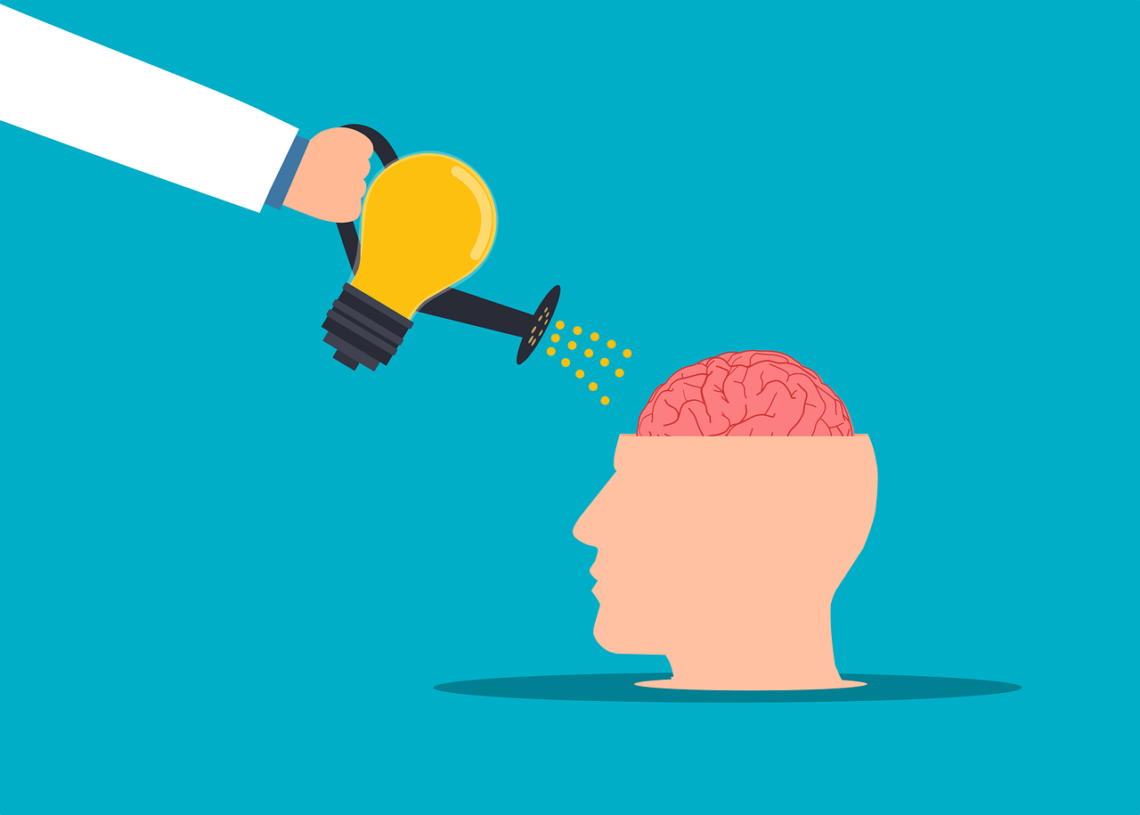
Of course, humans are not such simple creatures that we can blame the Internet for everything. I have noticed that another great influence on students’ decision to engage is their own mindset about their abilities. Many of my students have fixed mindsets, or an “entity view of intelligence” (The Human Development Teaching & Learning Group). For example, they label themselves as “bad at math” or even hold a dislike for the subject on the basis of it being challenging, as they simply do not believe they can be successful.
I find that my middle school students are more likely to give up when they find something to be challenging. Through conversations with my high school students, I have inferred that they are more likely to push through challenges due to their desire to hit their learning outcomes so they can graduate. This motivation is further away for middle schoolers. Along with a developmentally shorter attention span, this potentially explains middle schoolers’ increased likelihood to disengage.
Briefly revisiting the “how” of differentiating lessons for different developmental levels, I asked my cooperating teacher plainly how she does it. Specifically referencing her English class, she responded that her direct instruction is the same for every student. What differs is the application, as students create independent projects for standards created for their grade level. Differentiation, in her case, is fueled by independent (and 1:1) work time.
In conclusion, I have been repeatedly reminded throughout my fieldwork experience of the importance of A) encouraging our students to try and B) reinforcing our belief that they can be successful learners.
If they cannot provide these attitudes for themselves, then as teachers, we need to model it for them over and over until it sticks.
Source: The Human Development Teaching & Learning Group. (n.d.). Intelligence, Education, & Motivational Development. Human Development. https://pdx.pressbooks.pub/humandevelopment/chapter/achievement-school-mindsets/